

The Basics of a Ceramic Chiminea
The most well-known type of chiminea is made of clay. Think of terra cotta pots or the red pottery ones. Clay is strong and hard, but it can crack if handled improperly.
The chiminea's clay is very absorbent and has to be protected by gravel or sand at the bottom of the chiminea, along with some kindling and logs. This stops the clay from becoming too hot and prevents hairline cracks from forming.
Materials
The traditional clay chimineas (also called pot-bellied ovens) include a chimney that sends smoke upwards. These chimineas are usually glazed to shield them from weathering and cracking due to sudden temperature changes. They are still susceptible to sun and rain. This is why it is essential to cover them when not in use and to ensure that no water puddles develop within the clay.
The majority of chimineas are constructed from terracotta clay, although other materials like cast iron and steel are available. Cast iron and aluminum offer a long-lasting option that requires less maintenance. Terracotta has a classic Mexican look. Certain manufacturers also offer contemporary designs that combine the elegance of a clay chiminea and the strength of metal.
Many people pair their chimineas with evergreen or flowering plants. This creates a natural-looking look to complement the ambiance in their backyard. It is important to carefully choose the right plant combinations since a Chiminea should be placed in a spot free of overhead structures that can catch fire. It is essential to make sure that the chiminea is on a fire-safe area such as concrete, brick or stone patio.
Chiminesas are created by hand using high-fired unglazed clay. The potter is the person who creates the clay. They can make use of an emulsion mold or a potter’s wheel. In either case, the clay is kneaded before it is allowed to dry. Some of the latest clay chimineas have been pre-grogged. This is an additive which can help to resist thermal stress that is prone to cracking earthenware.
Other chimineas can be constructed using metal moulds which allow them to be made in various designs and shapes that can be adapted to any backyard. Cast iron chimineas may be heavier than clay models, however, they are more durable and less likely to crack or break due to sudden temperature fluctuations. They are less expensive than other types of chimineas as well, and they come in gas-burning models as well to provide additional versatility.
Styles
A chiminea is a fireplace which can be decorated in various styles and materials. Terracotta chimineas feature an elegant style that has been in use for centuries, whereas metal chimineas are more durable and can withstand high temperatures. Many chimineas feature decorative patterns and designs that enhance the patio furniture. A rustic finish, for instance gives your chiminea a vintage feel particularly if you pair it with iron or wood patio furniture.
Chimineas are usually designed to be freestanding, but they could also be placed on a stone, brick or concrete patio. Whatever you decide to place your chiminea pick a spot that is protected from wind and away from flame-prone plants or structures. It is important to remember that chimineas emit smoke as well as soot, which can affect the quality of air in the surrounding area.
Certain chimineas feature a chimney that opens at the base of the structure while others are pointed upwards and squat. Both designs are available with or without an opening to accommodate firewood. The chimneys of squat models can also be shaped to increase visual appeal and create a striking style.
You can also add decorative features to the outside of your Chiminea such as wrought iron, marble, or granite. Consider a copper or ceramic top to add a bit of style. The glossy shimmer of these finishes can help to reflect light from your fire and enhances the overall appearance of your chiminea.
Chiminea polishing on a regular basis is a great option to beautify your fire pit outside and protect it from damage. Use a natural polishing agent like beeswax or olive oil, to smooth the surface to create an intense glow. Apply an even layer and rub gently. Rinse and dry your chiminea in order to get a sparkling finish.
Chimineas are a lot of work, but with the right care and attention, your outdoor chiminea will look elegant for a long time. With the help of practical decorating and maintenance strategies, you can enjoy your chiminea in the backyard throughout the winter months.
Safety
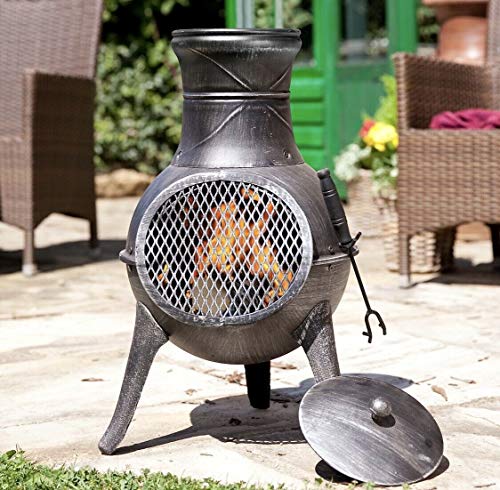
Although they are popular Chimineas can be dangerous if they are not used properly. Chimineas made of clay, particularly unglazed ones, are prone to cracking and breaking. They also pose a fire risk when placed too close to other materials that are flammable, such as your furniture, your home and the garden surrounding it. You should only use your chiminea outdoors, and in a location that is protected by fire-safe material or fenced.
It is recommended to keep a fire extinguisher nearby and use it to extinguish small burning or hot coals that arise while you are tending the flame. It is also a good idea to use a long lighter to light your fire and move the coals with tongs rather than with your hands. It is also a great idea to keep an empty bucket of water on hand in case you have to extinguish the chiminea. It is crucial not to use water to extinguish the chiminea that has been cool and to only add water after the fire has gone out naturally or if a large fire is at risk of bursting into the chimney.
A simple spark stopper, made of chicken wire and positioned in the top of the smokestack will protect your home and your neighbors from accidental burns. Chimineas also generate a lot of heat, and the surrounding area can get very hot, so you should put up a low wall around the chiminea to remind people that coming too close to it could result in painful burns.
Never burn your chiminea during stormy or rainy weather. The sparks can cause the chimney to catch fire, which could cause damage to your home. Make sure to inquire with the local fire department if there burn bans in place before using the chiminea. You should also clear the area around the chiminea before adding firewood, and ensure that there are no objects that could ignite nearby. It is also an excellent idea to clean the inside of your chiminea after each use to avoid ash accumulation that could result in smoke inhalation as well as an ashy exterior.
Maintenance
Despite the fact that they can be used for outdoor fires, clay chimineas are not care-free devices. To ensure their longevity, they must be treated in the same way as other clay products. It is essential to not allow them to get too hot and to allow them to cool between use. They should also be regularly sanded and sealed to prevent the paint from becoming damaged.
The first step in keeping your chiminea in good shape is to remove the ashes from it after every use, but only after the chiminea has completely cool down. It will be warm, even though it appears to be cooling, so make use of an ice breaker and a brush to clear away the ash. After you have carefully removed the ash and removed the debris, the next step will be to fill the inside of the chiminea's bottom with either sand or gravel. This is crucial, as if you don't do this, the chiminea will crack. The clay absorbs moisture, and could crack if it is too dried.
Some sources recommend sealing the exterior of the chiminea using an acrylic waterproofing agent, similar to the ones used to seal tiles. This will help keep moisture from leaking into the chiminea, and damaging it. When you are using the chiminea for a long period of time, it is recommended to sand and reseal the chiminea every 6-8 weeks.
Chimineas should be burned only on bare, fire-safe surfaces and they should never be placed on wood decking or on any other kind of overhead cover. The use of only well-seasoned hardwood can also decrease the number of sparks produced and prevent cracking the clay.
Because a chiminea is made of clay, it won't last forever, however it is extremely difficult to break one unless you beat it with a Hammer or drop it. However, Ceramic chimineas can form due to a variety reasons, including poor combustion and lack of maintenance. They also are susceptible to rust and need to be covered at the very least, when not in use. This will keep the snow and rain off of it, so that it doesn't start to corrode the metal components of the chiminea.